A yellow snow warning over the Pennines: drying times and access on a cleaning visit
The Met Office yellow warning for snow on Tuesday 17 November covered high ground in northern England, and Barnsley sits on the eastern edge of the Pennines. What cold, damp weather does to upholstery drying, and how to plan access for a cleaning visit.
The Met Office issued a yellow weather warning for snow on the morning of Tuesday 17 November. It covered the hills of northern England and southern Scotland, and it warned of possible disruption to transport. Barnsley itself sits low, on the eastern edge of the Pennines, so the warning applies to the higher ground to the west rather than to the town centre — which still matters, because that is the ground a van crosses on the way in. If a cleaning visit to a sofa or armchair is booked in Barnsley this week, the weather can affect three things: when the visit happens, how long the upholstery takes to dry afterwards, and whether the person doing the work can reach the property safely. This guide sets out what changes in that situation and what to check before the day.
It is a reference, not a cleaning service. It does not book visits or quote prices, and it cannot tell you how a particular firm will respond to the weather. Use it to ask the right questions.
Why cold weather makes drying harder
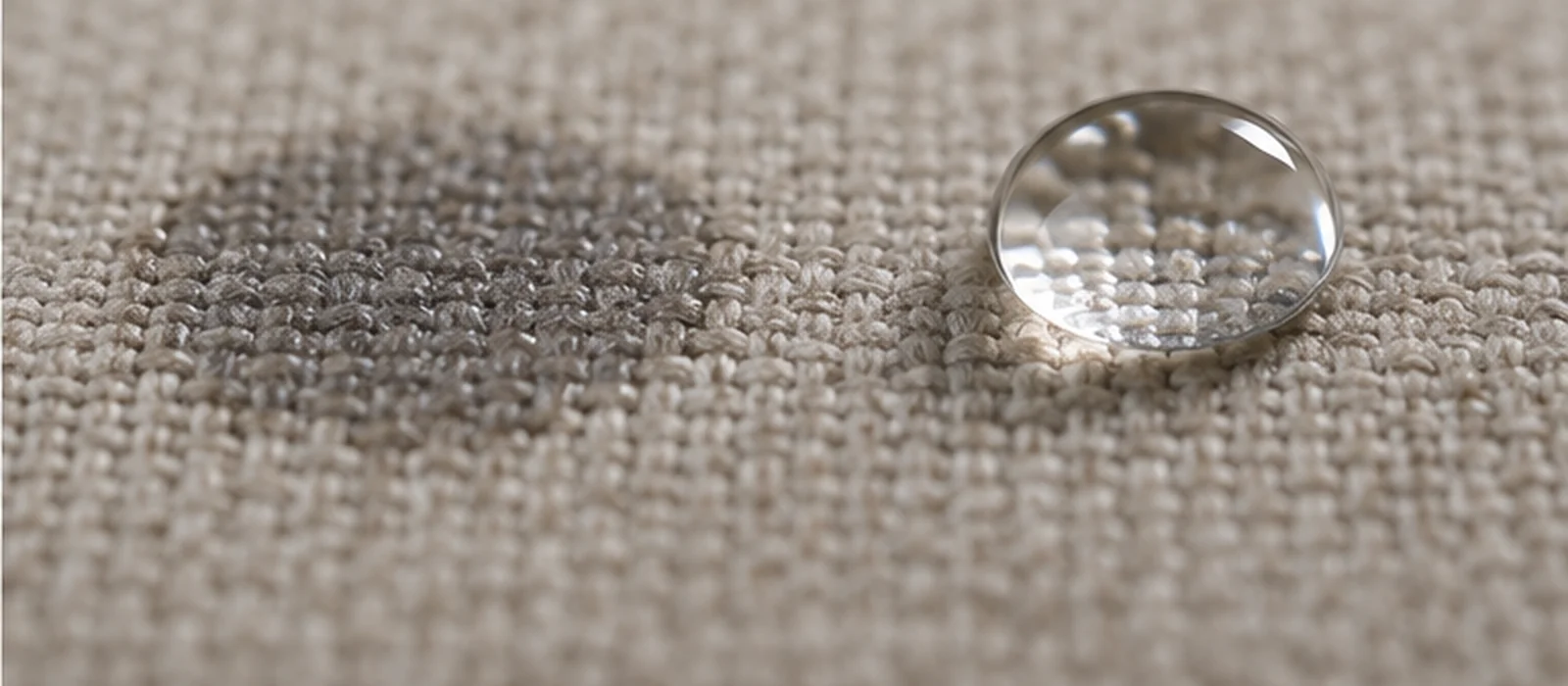
Upholstery dries by moisture leaving the fabric and the foam beneath it. That process depends on warm, moving air. In a cold, damp room with the windows shut and the heating turned low, the air holds less moisture and carries it away more slowly, so a sofa that was cleaned in the morning can still feel wet by the evening.
Slow drying is the real risk. Water left in the foam and the backing does two kinds of damage. It can draw dissolved soil and cleaning residue up to the surface as the fabric dries, which leaves a brown tidemark that was not there before. It can also encourage a musty smell and, in extreme cases, mould. Our pages on over-wetting and browning and damp, mould and odour explain both faults in more detail.
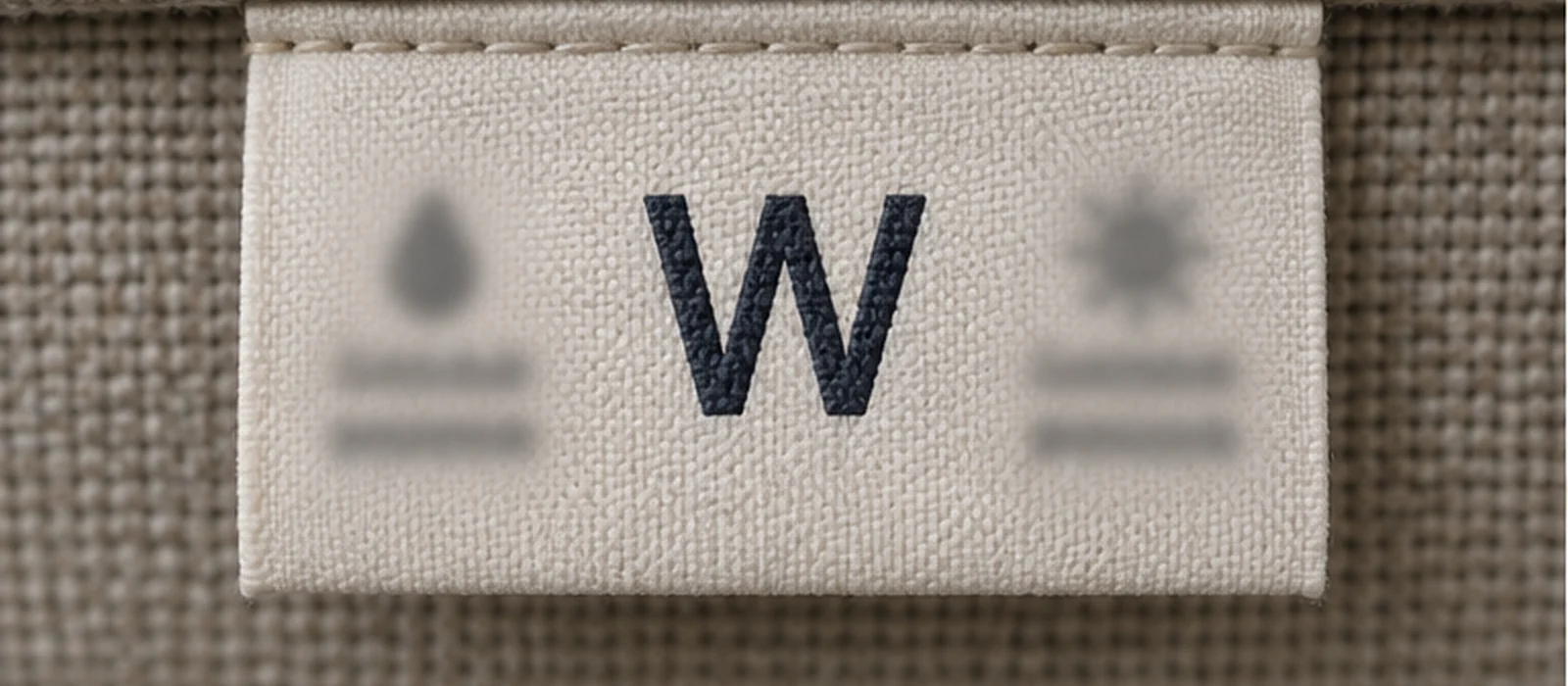
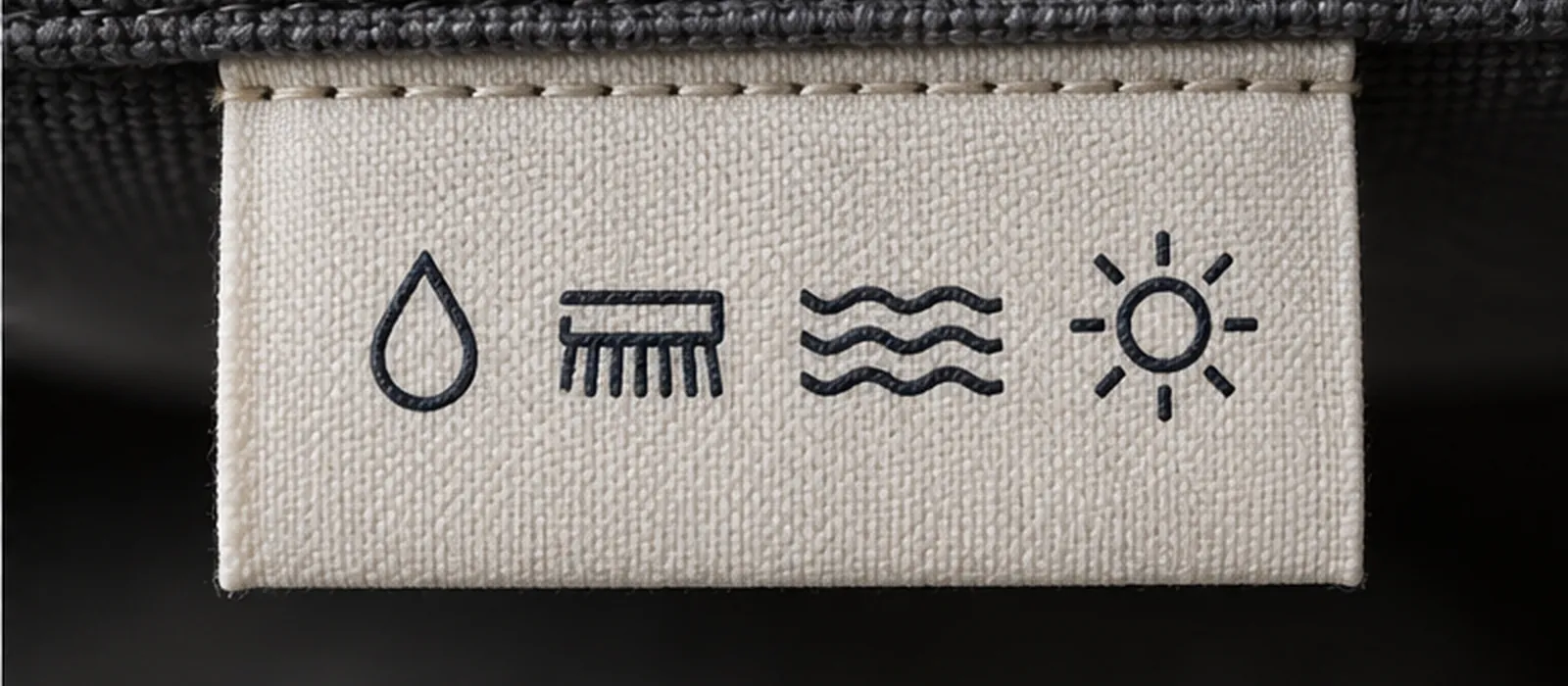
The fabric’s own care label matters here. A fabric that is labelled for water-based cleaning, with a cleaning code that allows water, can still be damaged if it is left wet for too long. A fabric that is not water-tolerant needs a different approach altogether, and the weather does not change that.
Choosing the method with the weather in mind
The cleaning method decides how much water goes into the fabric, and that is the first thing to think about when the weather turns. Hot water extraction puts more moisture into the upholstery than most people expect, which is why it needs good airflow afterwards. Low-moisture methods use far less liquid and dry faster, which can suit a cold week. The hot water extraction and low-moisture cleaning guides set out the trade-offs.
Ask which method is planned and how much water it uses. If the answer is a method that puts a lot of liquid into the foam, and the room cannot be kept warm and ventilated, it is reasonable to ask whether a different method is suitable for that week, or whether the visit should wait for better conditions.
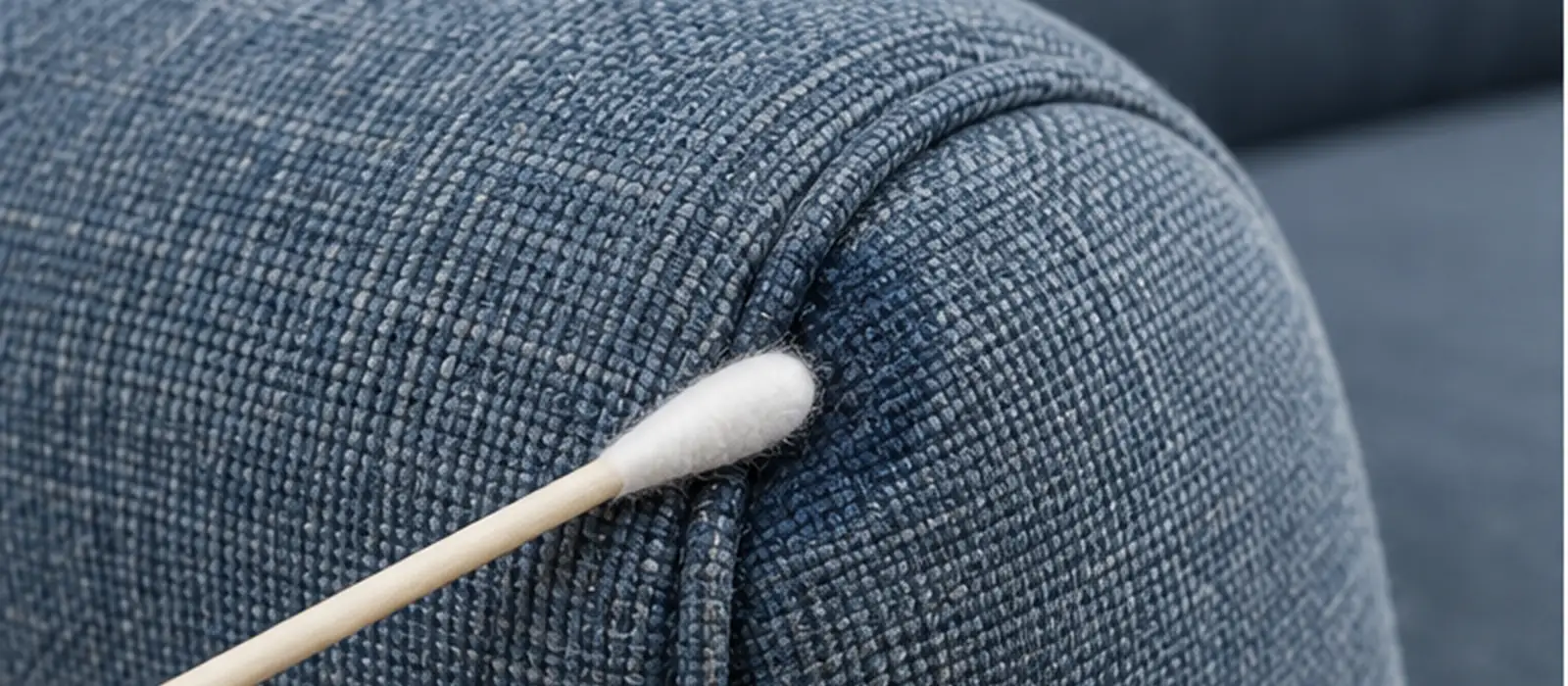
Whatever the method, test a hidden area first. The spot-testing and colourfastness guide explains how to do this without risking a visible patch.
Helping the upholstery dry
Preparation at home makes a real difference. Before the visit, open a window slightly if the weather allows, and make sure the room is warm enough for the air to take up moisture. Move the furniture away from walls so air can circulate round the back and underneath. A fan directed across the surface, rather than at it, speeds drying without blowing the fabric about.
Keep the room clear of anything that could slow the process. Do not stack cushions on a damp sofa, and do not place a heater so close to wet fabric that it scorches the surface. Keep pets off the fabric until it is completely dry. Plan to leave the room alone for as long as the upholstery needs, and do not sit on the sofa to check whether it is dry, because body weight pushes water back into the foam.
If the room is cold and cannot be warmed, tell whoever is doing the work before they start. That is a sensible reason to agree a different day or a lower-moisture method.
Access on a snowy day
A visit that goes ahead on a snowy morning depends on the route. Confirm the appointment the day before, and again on the morning, because travel disruption can change the plan at short notice. Ask what will happen if the visit is postponed, and get the answer in writing before the day, so there is no argument afterwards.
On the day itself, clear a path to the front door and a space at the kerb or in the drive. Equipment for upholstery cleaning is heavy and awkward on ice. A clear route protects the person doing the work and the property. Make sure there is a working power socket close to the room, because most cleaning equipment needs electricity, and check that the socket is not on a circuit that is off or unreliable during the cold.
If the weather is bad enough that the upholstery cannot be dried properly, rebooking is the sensible choice. A rushed visit in a cold, wet room often costs more to put right than a delay of a few days.
What to check before the day
- The fabric’s care label and its cleaning code, which show whether water is tolerated at all. The cleaning code page explains what each letter means.
- The method planned, and how much water it uses.
- A hidden test area, tried before the main job.
- The room’s temperature, ventilation and airflow on the day.
- The access route, the parking and the power socket.
- A written agreement on what happens if the visit is postponed.
If the job is large, or the fabric is delicate, it may be worth asking a professional rather than a do-it-yourself product. The when a professional is needed guide sets out the cases where that is the better choice.
Key points
- The Met Office yellow snow warning for Tuesday 17 November covered high ground in northern England and southern Scotland; Barnsley sits on the eastern edge of the Pennines, so the higher routes west of the town are the ones affected.
- Cold, damp air dries upholstery slowly, and slow drying causes tidemarks and odour.
- Choose the method with the weather in mind, and prefer a low-moisture approach in a cold room where the fabric allows it.
- Help the fabric dry with warmth, airflow and space, and keep weight and pets off it.
- Confirm access, parking and power before the day, and agree in writing what happens if the visit is postponed.
- Rebook rather than rush if the room cannot be warmed and ventilated.
Information is as of 17 November 2026. Weather warnings change, so check the current Met Office forecast for your area before the visit.